展开剧照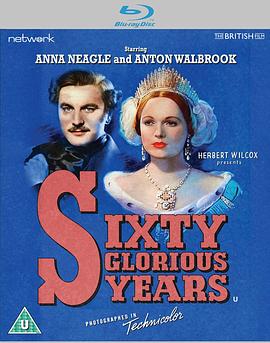
- 主演:
- Anna Neagle Anton Walbrook C. Aubrey Smith Walter Rilla
- 时间:
- 2026-03-27-22:18:11
- 年份:
- 1938
- 类型:
- 剧情片
- 地区:
- 英国
- 语言:
- 英语
- 导演:
- Herbert Wilcox
- 剧情:
- Sixty Glorious Years is an exercise in the creation of iconography, both for Victoria and its star, Anna Neagle (who subsequently became known as 'Regal Neagle'). Just as Elizabeth I commissioned artists to create flattering iconic images for public consumption, so this film performs a similar function, for Neagle is more beautiful than the real life Victoria. Controversial events (such as the 'Irish problem') are omitted and unpleasant aspects of Victoria's character (her petulance, arrogance, favouritism and 'right to privilege') are glossed over as endearing little 'whims'. Albert acts as a moderating influence when she goes too far. The film followed a year after the highly successful Victoria the Great (d. Herbert Wilcox, 1937). Again the screenplay is by Miles Malleson and Robert Vansittart, and many of the supporting cast (the cream of acting talent of period) repeat their roles, this time for the colour cameras. This was the first full length Technicolor film of cinematographer Freddie Young, who captures the spectacle of royal weddings, grand balls and opulent interiors, with scenes actually filmed at royal palaces. Vivid battle scenes, set in Alexander Korda's empire territory (Sevastopol and the Sudan), rival those in The Four Feathers (d. Zoltan Korda 1939). The title music sets the tone a regal choir sings over a shot of the crown. Elgar's 1901 'Pomp and Circumstance' march is heard during the diamond jubilee celebrations and, as Victoria's coffin lies in state, the film concludes with Anthony Collins' stately music accompanied by the text of Rudyard Kipling's 'Lest we forget'. Combined with the emotional appeal of scenes of Victoria connecting with her 'ordinary folk', this is stirring stuff. The film connects with contemporary events of 1938. The release of two celebratory royal films was intended to boost public affection for the monarchy in the wake of Edward VIII's abdication. Anglo-German relations were another touchy subject. With another war on the horizon, influential voices wanted appeasement, and the film could be seen to fit that agenda. Victoria herself was of mainly German descent, nicknamed 'the grandmother of Europe', while Albert is a 'good German', charmingly played by Anton Walbrook as a cultured, decent man. Sixty Glorious Years now seems unduly formal and reverential. Had movies existed during Victoria's reign (they only emerged at the end) this might have been the kind of film produced. Unlike Mrs Brown (d. John Madden, 1997), it is all so very 'Victorian'. Roger Philip Mellor【详细】
正片
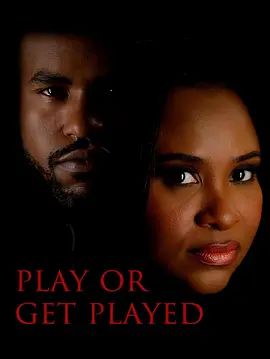
剧情:Ava Cooper is caught in a web of love, betrayal, and hidden secrets as a dangerous affair forces her to question everyone around her.
当局者迷 Play or Get Played
主演:Nadia Calhoun,Monae Champion,Dyllan Coleman
正片
剧情:Ava Cooper is caught in a web of love, betrayal, and hidden secrets as a dangerous affair forces her to question everyone around her.
当局者迷 Play or Get Played
主演:Nadia Calhoun,Monae Champion,Dyllan Coleman
正片
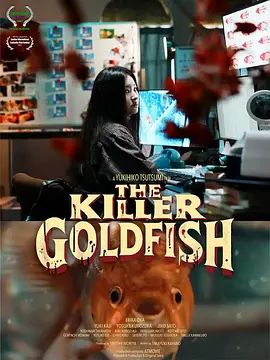
剧情:一名超自然现象调查员在调查一起由金鱼引发的连环谋杀案时,意外卷入了一个涉及人类历史的复仇事件。
正片
剧情:一名超自然现象调查员在调查一起由金鱼引发的连环谋杀案时,意外卷入了一个涉及人类历史的复仇事件。
更新HD
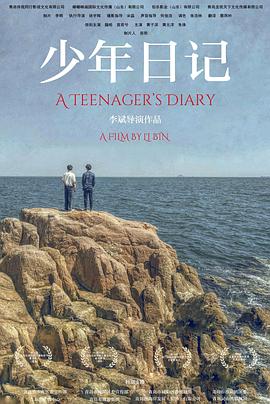
剧情:《少年日记》是由90后导演李斌编剧导演,阿雨担任制片人,籍皓、苗若兮领衔主演的一部探讨家庭教育的青少年成长电影,该片入围了第14届孟加拉国国际儿童电影节主竞赛单元,第13届澳门国际电影节主竞赛单元等多个国际影展并获奖。 坏学生余铭成长于单亲家庭,身为外卖员的父亲经常对他实施家暴,妹妹小扣子是他的精神依靠。小扣子对于“自己是从哪里来的”有着奇怪的误解,保守的父亲对女儿的性教育难以启齿。余铭送给小扣子一本《儿童性教育手册》,却被父亲发现,迎接他的又是一顿拳打脚踢。 然而,一次意外事件将这个家庭卷入残酷的漩涡中:小扣子在独自放学回家的路上,竟然遭到恋童癖的袭击! 在一个看似平静的夜晚,余铭悄悄跟踪举止怪异的父亲,意外目睹了父亲杀死恋童癖的过程,他在离开时却不小心被父亲发现……
少年日记2021
主演:籍皓,苗若兮,黄子淇,黄元洋,朱珠
更新HD
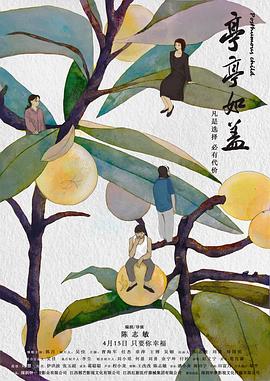
剧情:妻子得知丈夫意外死亡后,对于未满十周的遗腹子是否生下来,她与母亲、公婆及社会舆论之间有了不可调和的激烈矛盾
亭亭如盖
主演:郭月,薛宝鹤,任杰,龙水林,曹海军,吴钿
剧情简介
Sixty Glorious Years is an exercise in the creation of iconography, both for Victoria and its star, Anna Neagle (who subsequently became known as 'Regal Neagle'). Just as Elizabeth I commissioned artists to create flattering iconic images for public consumption, so this film performs a similar function, for Neagle is more beautiful than the real life Victoria. Controversial events (such as the 'Irish problem') are omitted and unpleasant aspects of Victoria's character (her petulance, arrogance, favouritism and 'right to privilege') are glossed over as endearing little 'whims'. Albert acts as a moderating influence when she goes too far. The film followed a year after the highly successful Victoria the Great (d. Herbert Wilcox, 1937). Again the screenplay is by Miles Malleson and Robert Vansittart, and many of the supporting cast (the cream of acting talent of period) repeat their roles, this time for the colour cameras. This was the first full length Technicolor film of cinematographer Freddie Young, who captures the spectacle of royal weddings, grand balls and opulent interiors, with scenes actually filmed at royal palaces. Vivid battle scenes, set in Alexander Korda's empire territory (Sevastopol and the Sudan), rival those in The Four Feathers (d. Zoltan Korda 1939). The title music sets the tone a regal choir sings over a shot of the crown. Elgar's 1901 'Pomp and Circumstance' march is heard during the diamond jubilee celebrations and, as Victoria's coffin lies in state, the film concludes with Anthony Collins' stately music accompanied by the text of Rudyard Kipling's 'Lest we forget'. Combined with the emotional appeal of scenes of Victoria connecting with her 'ordinary folk', this is stirring stuff. The film connects with contemporary events of 1938. The release of two celebratory royal films was intended to boost public affection for the monarchy in the wake of Edward VIII's abdication. Anglo-German relations were another touchy subject. With another war on the horizon, influential voices wanted appeasement, and the film could be seen to fit that agenda. Victoria herself was of mainly German descent, nicknamed 'the grandmother of Europe', while Albert is a 'good German', charmingly played by Anton Walbrook as a cultured, decent man. Sixty Glorious Years now seems unduly formal and reverential. Had movies existed during Victoria's reign (they only emerged at the end) this might have been the kind of film produced. Unlike Mrs Brown (d. John Madden, 1997), it is all so very 'Victorian'. Roger Philip Mellor